
Print types
I use two different printing techniques, selecting the most suitable process for each image in my online gallery as well as for clients' own work. Just as I choose between matte and semi-gloss paper based on the attributes of the image, I also consider the type of print that best complements its characteristics.
The term giclée print is increasingly prevalent as print services expand their offerings, but what exactly is it? In addition to giclée prints, there is the lesser-known C-type print, which has been in existence for a longer period but remains relatively obscure to many customers.
Here is a brief overview of each method.
What is a giclée print?
Giclée printing is a refined technique used for reproducing art and photography, employing archival pigment inks to duplicate original works on photographic and fine art paper, canvas, and even vinyl.
The term "giclée," derived from the French word for "spray," aptly captures the ink application method utilized on the paper. When this process is combined with a high-resolution digital image, it produces remarkable reproductions showcasing seamless gradients and rich tones. The pigment inks used in giclée printing are of archival or gallery quality, ensuring that the prints retain their vibrancy and resist fading for many years to come.
I personally produce each giclée print in my studio, located just outside Padstow. If you're interested in having a print made of your photography or artwork, please don't hesitate to reach out via the contact page.
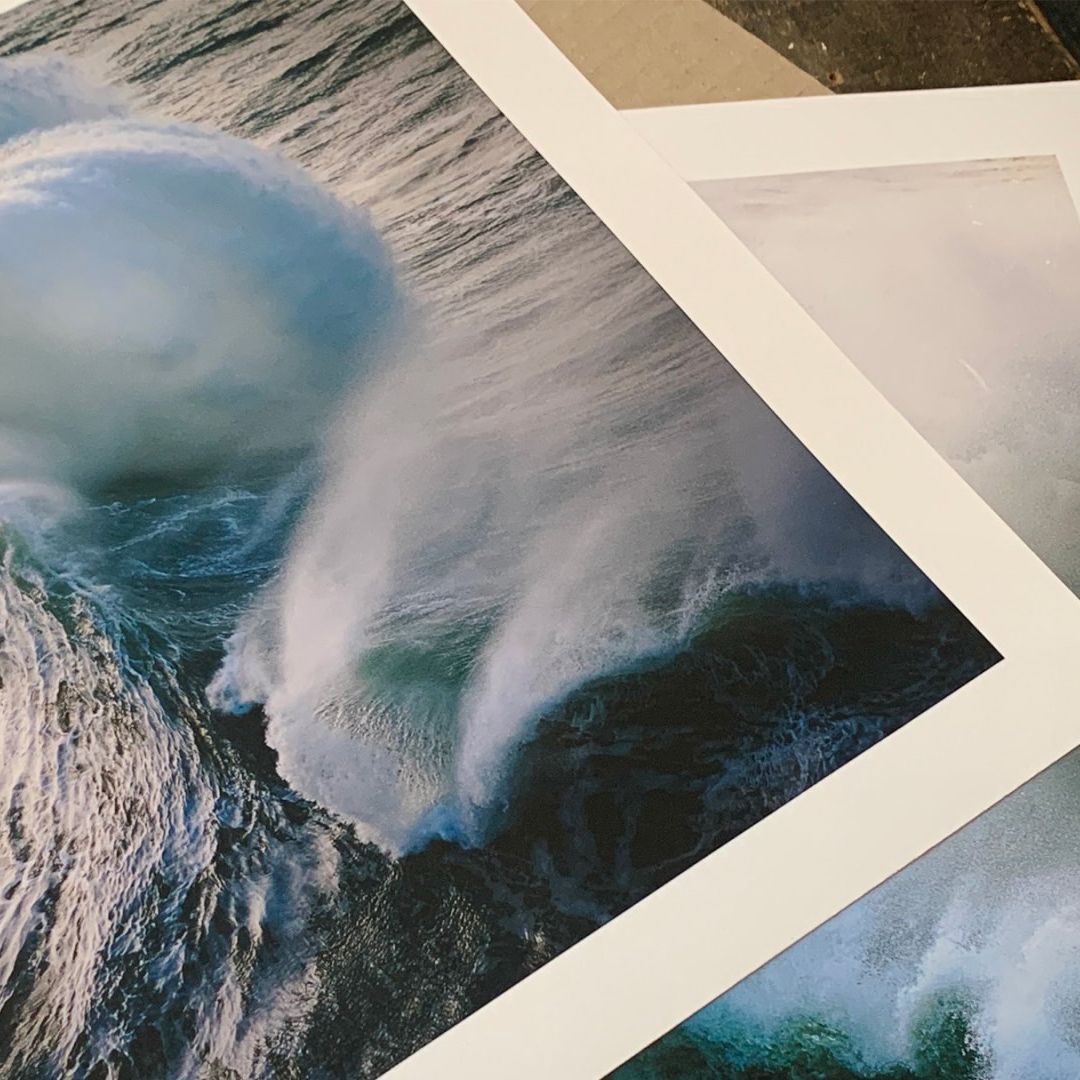
What is a C-Type print?
C-type printing, often referred to as Chromogenic printing, is a photographic development method that employs light-sensitive chemicals to produce a lasting image on paper.
This technique artfully merges the timeless aesthetic of traditional photo prints with the efficiency and accuracy of digital technology.
What is Digital C-Type Printing?
Unlike conventional darkroom printing, which relies on negatives and enlargers, digital C-type printing harnesses a digital file. A computer directs the exposure process, utilizing lasers or LEDs instead of traditional bulbs. The light-sensitive photographic paper is then developed and fixed in accordance with conventional methods, yielding a breathtaking, archival-quality print.
Key Benefits of Digital C-Type Prints:
Rich, Continuous Tones: Digital C-type printing shines in its ability to capture delicate color gradients and shadow nuances, resulting in a more three-dimensional and realistic image compared to certain inkjet prints.
Exceptional Longevity: C-type prints are celebrated for their remarkable archival qualities, enduring for generations when stored properly.
Traditional Photographic Aesthetic: For those who cherish the classic look and feel of traditional photo prints, digital C-type is an ideal choice.
Digital C-Type vs. Giclée Prints
Although both digital C-type and Giclée prints originate from digital files, they are fundamentally different. Giclée printing is an inkjet process that uses pigment inks on a variety of paper types. For additional insights on Giclée printing, refer to: What is a Giclée print?